March 1st Movement
Overview
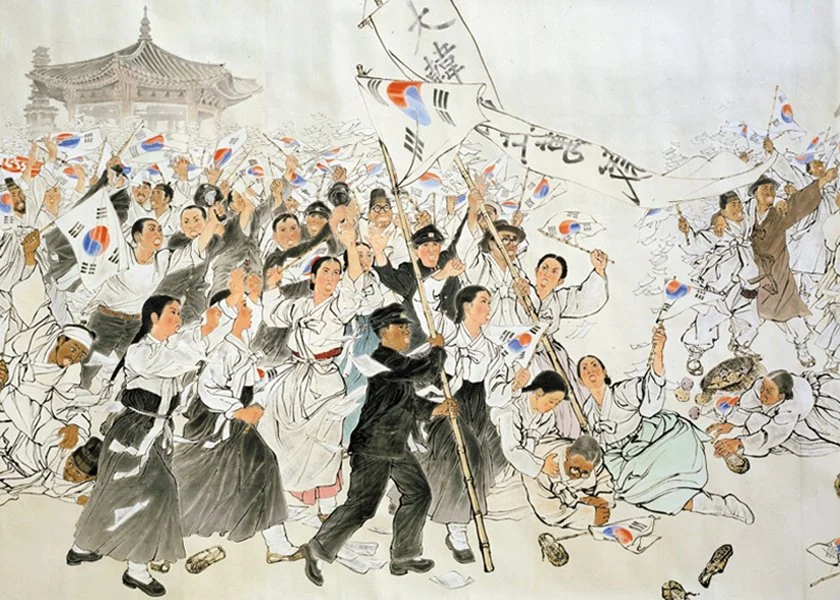
Inspired by the February 8th Movement, thirty-three religious Korean leaders gathered around on March 1, 1919, shortly after in the discreet location of the T’aehwagwan restaurant to officially propagate another Declaration of Independence to free itself from Japanese colonial rule. Following that promulgation was a series of nationwide demonstrations for Korean independence; approximately 2 million participated in over 1,500 protests, movements, and boycotts for over a year. Korean people from all regions, economic classes, and education took part to show support, yelling “Tongnip manse!” along with taegukgi flags.
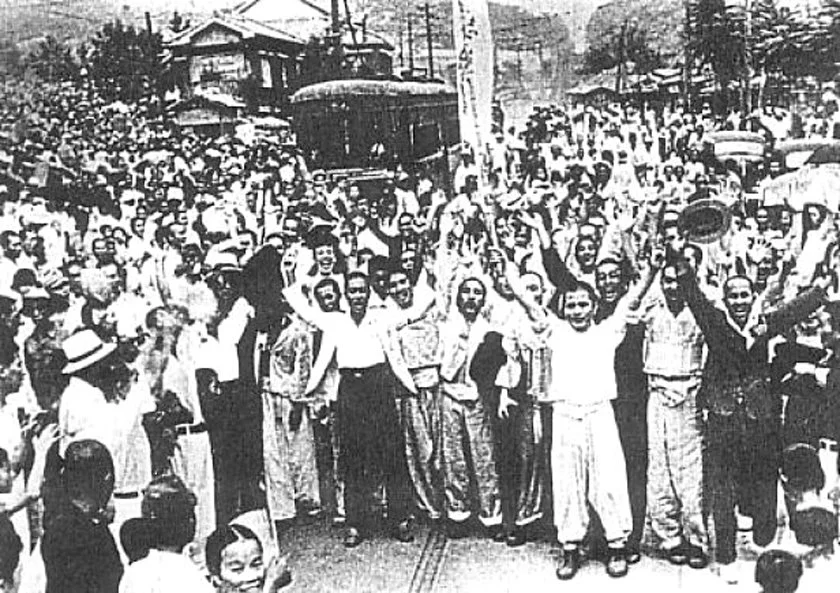
Millions of protesters were at the movement; hundreds can be seen here
Goals and the Double Project Theory
The goal of the March 1st Movement can best be conceptualized through the Double Project Theory, which argued that the movement had a ‘double project’ of adapting to and overcoming modernity. It is worth asking, then, what the term “modernity” refers to—for the purposes of analyzing the movement, modernity can be understood as a nation’s self-transformation. In other words, Korea had to achieve sovereignty while also strengthening themselves internally to reduce dependence on Japan. The adaptation can be seen when in the Declaration, leaders “[claimed] independence in the interest of the eternal and free development of our people, and in accordance with the great movement for world reform based upon the awakening conscience of mankind.” Unlike its counterpart in February, the new Declaration was being created by religious leaders, not students, so it was influenced by religious ideas—which will later be explored in section 3b. References like the ‘awakening conscience’ suggested that independence was a moral renewal that freed Korea from Japan’s tyranny.
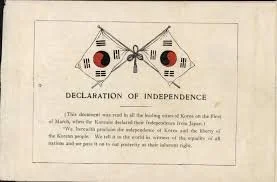
Declaration of Independence Proposed
Later in the declaration, the idea of overcoming modernity can be observed. Leaders included that they did not “intend to accuse Japan of infidelity for its violation of various solemn treaty obligations…we shall not blame Japan…because of the urgent need for remedies for the problems of today, we cannot afford the time for recrimination over past wrongs.” Wanting to create a remedy rather than sparking up violence against Japan, the leaders incited a series of peaceful protests to combat Japanese rule rather than taking up arms or engaging in guerilla warfare.
Make it stand out
Whatever it is, the way you tell your story online can make all the difference.
It is worth noting that although there was significant momentum for the movement, there were some who outright opposed it. One of such people was Yun Ch'i-ho, who was a Korean politician and intellectual. He argued that Korea had lost its independence because it was too weak to defend itself. He believed that because Korean people were ‘ignorant and lazy’, they would not be able to resist Japanese control at all. Rather than seeking immediate independence through mass demonstrations, Yun insisted that the only viable path toward national restoration was through the gradual education and moral improvement of the population. He was firmly convinced that the leaders of the movement had miscalculated Korea's chances for independence to the point where they were ‘deceptive’. Yun’s stance demonstrates that there was significant ideological tension that often goes unnoticed: while activists emphasized the moral righteousness of resistance, Yun instead focused on the pragmatic and realistic implications of it.
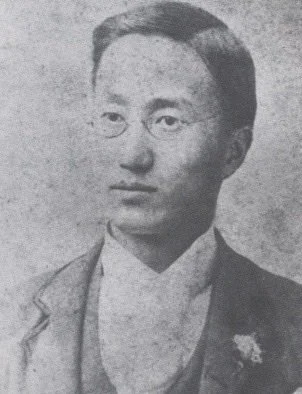
Yun Chi’i-ho
윤치호; 23 January 1865 – 6 December 1945
Traditions
Across the country, people display the Korean flag, the Taegeukgi, outside their homes and on public buildings to honor those who fought for independence. Official ceremonies are held at significant historical sites such as Seodaemun Prison History Hall, where many independence activists were once imprisoned.
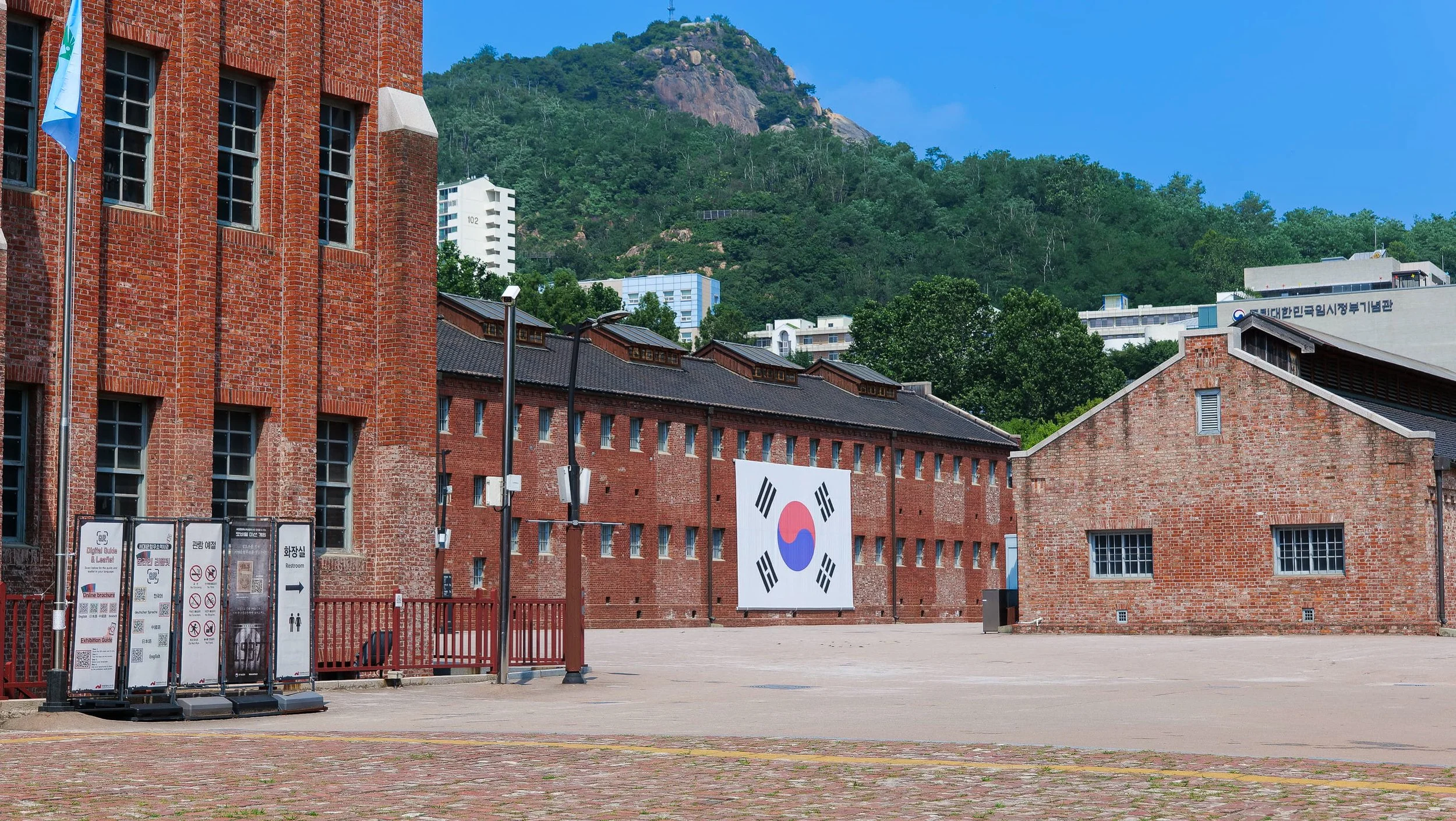
Seodaemun Prison History Hall
During these events, the Declaration of Independence is read aloud, the national anthem is sung, and moments of silence are observed to remember those who sacrificed their lives. Schools also dedicate time to teaching students about the historical importance of the movement and its impact on Korea’s path to sovereignty.
Beyond formal ceremonies, March 1st is a meaningful day of reflection for many families. Some visit museums or historical landmarks, while others watch documentaries or share stories about relatives who participated in the independence movement. Reenactments of peaceful demonstrations are sometimes organized to reflect the nonviolent spirit of the 1919 protests. The holiday strengthens a sense of national pride and collective memory, reminding Koreans of the resilience and unity that shaped their modern identity. Through both public commemoration and private remembrance, the day honors the courage of those who stood up for freedom.
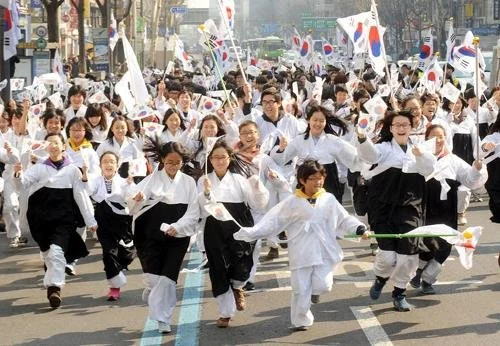
Thousands can be seen celebrating Samil with Taegukgi flags
